The leading cryptocurrency has experienced an almost 15% surge since the beginning of the year, primarily attributed to the US Securities and Exchange Commission’s reversal of a decade-old policy to approve multiple spot bitcoin exchange-traded funds (ETFs). These vehicles provide investors with regulated exposure to bitcoin’s price.
Despite the anticipation surrounding the launch of spot bitcoin ETFs by major Wall Street players, including BlackRock, the world’s largest asset manager, the price of bitcoin initially dropped approximately 15% in the days following the SEC’s approval.
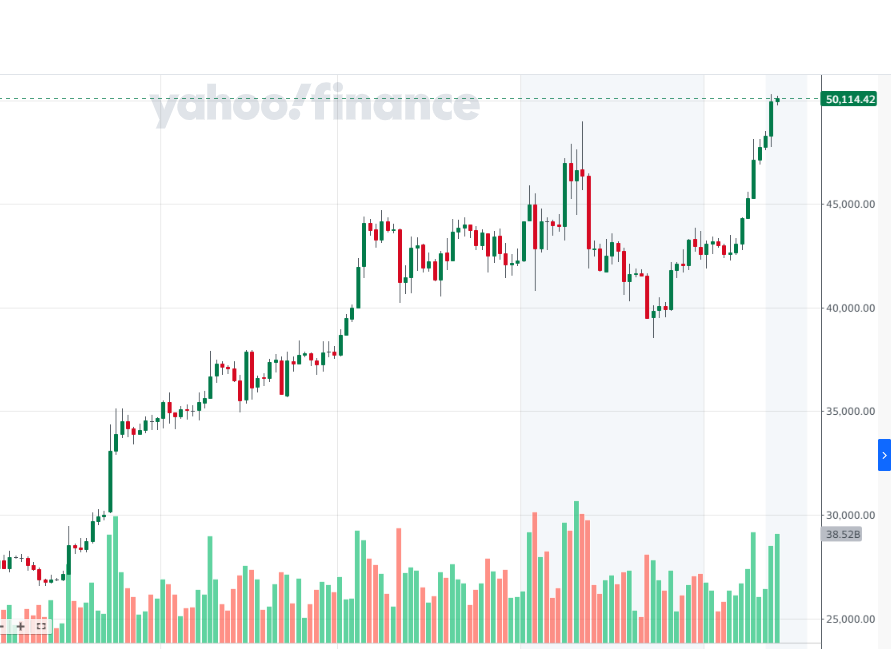
The recent climb to $50,000, more than doubling its value from a year ago, indicates that the ETFs are attracting new capital into the market. Analysts believe this surge represents an opportunity for bitcoin to establish a more enduring position for the long run.
James Butterfill, Head of Research at crypto investment group CoinShares, remarked, “Following a disappointing launch of several bitcoin ETFs, we’re now seeing continued inflows into newly issued funds, and I think we’re seeing much more organic demand for bitcoin as a result.”
As the initial waves of capital entered new spot bitcoin ETFs and exited Grayscale Investments’ converted product, asset managers are now focusing on the long-term investment potential of bitcoin ETFs.

According to CoinShares data, the newly approved bitcoin ETFs have attracted around $3 billion in net flows, despite over $6 billion being withdrawn from Grayscale’s product since its ETF debut.
With cryptocurrency offerings increasingly infiltrating traditional finance, issuers are optimistic that mainstream investors will eventually allocate a small percentage of their portfolios to products like bitcoin ETFs, complementing traditional exposure to stocks and bonds.
The crypto industry’s morale has been boosted by the belief that it has weathered its toughest regulatory challenges and scandals. In November, Binance, the world’s largest exchange, paid a $4.3 billion fine to US authorities over charges related to money laundering and international sanctions violations.
The positive outlook for bitcoin has been further fueled by expectations of central banks lowering interest rates this year, making risk assets more appealing to investors. Additionally, in April, a scheduled update to the bitcoin network will slow the circulation of available bitcoins, an event that the market anticipates will support further gains for the flagship cryptocurrency.
However, some analysts remain skeptical about bitcoin’s ability to sustain its recent upward trajectory.